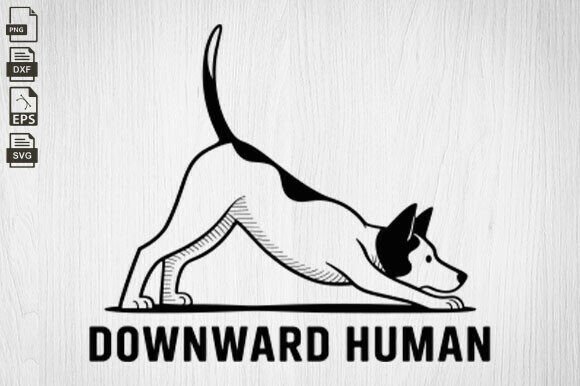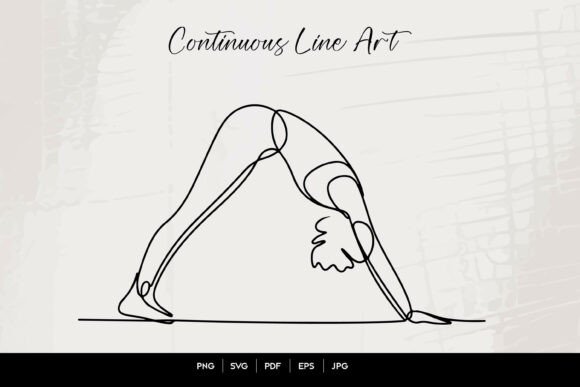
Yoga Pose Downward Dog Line Art
When I first opened the Yoga Pose Downward Dog Line Art Illustra, I immediately saw its potential for clean, modern embroidery projects. The design is a continuous line drawing of a classic yoga pose – minimal, graceful, and full of movement. The single unbroken line creates a sense of flow that fits well with wellness branding, activewear, and handmade gifts for the yoga community. As a designer who regularly evaluates digital assets for real embroidery work, I appreciate how this graphic balances simplicity with recognizability. It’s not overly detailed, which means it can translate into stitching without losing its charm.
A Real Project: Embroidered Tote Bags for a Local Yoga Studio
Last month, I prepared a batch of custom tote bags for a small yoga studio that wanted branded merchandise for their students. I used the Yoga Pose Downward Dog Line Art as the core motif. Because the design comes as an SVG, PNG, EPS, PDF, and JPG – not a native embroidery file – I had to digitize it first. I imported the SVG into my digitizing software and set up a single-color line design using a combination of running stitch and satin stitch for the thicker parts. The continuous line nature meant I could assign a single thread color, which kept the embroidery quick and cost-effective. After testing on a scrap piece of canvas, I hooped a medium-weight natural cotton tote and stitched the design at about 4 inches wide. The result was crisp, readable, and exactly what the studio wanted. The students loved the minimalist look, and the bags became a conversation starter during classes.
Performance Across Different Embroidery Projects
This line art design works well on a variety of surfaces. I’ve tested it on custom apparel like sweatshirts and t-shirts, where the continuous line creates a subtle, elegant statement. On a cozy hoodie, the downward dog pose sits nicely on the chest or back yoke. For baby embroidery, I sized it down for a tiny onesie – the simplicity of the line made it perfect for a small hoop. The design also shines on embroidered patches, aprons, pillow covers, and kitchen towels. Since it’s a graphic, you can also use it for printable mockups, Etsy listings, and digital product previews. The SVG and PNG files are clean enough to resize without losing quality, which is a big plus for craft business owners who need to adapt the design for different products.
When I stitch it onto caps, I take extra care. The continuous line can distort if the cap is too curved or if the fabric is stretchy. I use a firm stabilizer and reduce the stitch density slightly to avoid puckering. For holiday embroidery – think a stack of yoga-themed gifts for friends – the design works beautifully on tea towels and small zipper pouches. It also fits well on aprons for boutique yoga studios or wellness retreats.
Where to Use This Design Carefully
Not every project will benefit from this line art. The minimal style means it relies on contrast and clean stitching. If you embroider it on very dark fabric, choose a bright thread color – white, neon yellow, or metallic – to make the line pop. On thin, delicate fabrics like silk or fine jersey, the continuous line may cause slight pulling if the stitch density is too high. I recommend using a lightweight stabilizer and testing on a scrap piece first. For small hoop sizes under 3 inches, some of the finer details of the pose might get lost, especially the head and foot curves. I would not use this design for tiny lettering or dense fill areas because it’s meant to be a flowing line, not a solid block. On stretchy fabrics like ribbed knit or spandex yoga wear, the line can become wavy if the fabric isn’t stabilized properly. Use a cut-away stabilizer and reduce the pull compensation in your digitizing software.
Curved surfaces like caps or the side of a sleeve can also distort the pose. Always test the design on a cap before committing to a full order. The same caution applies to layered garments – if you’re stitching over a seam or a pocket, the line may not align perfectly. For commercial embroidery projects, I always run a few samples to see how the design behaves on each substrate.
Visual Appeal and Customer Value
From a buyer’s perspective, the Yoga Pose Downward Dog Line Art offers a clean, modern look that signals mindfulness and style. When I showed the finished tote bag to the studio owner, she immediately commented on how professional and “on-brand” it felt. The minimalist aesthetic builds trust and makes the product look like it came from a boutique, not a generic print shop. For handmade product sellers, this design can elevate a simple kitchen towel or a pillow cover into a giftable item. The continuous line art has a hand-drawn quality that feels personal and intentional. It’s also versatile enough to use in digital product stores – you can sell printable mockups, SVG cut files, or even use it as a design asset for print-on-demand T-shirts.
Because the design is not overly complex, it’s easy to customize with additional text or small decorative elements. I’ve added a small lotus or the studio’s name in a complementary font, and the line art still stands out. The product comes in multiple formats, which is a huge plus for Etsy sellers and small shop owners who need both vector and raster files for different applications. The PNG and JPG are great for quick mockups, while the SVG and EPS allow precise scaling for embroidery digitizing or vinyl cutting.
Practical Designer Notes for Embroidery Use
Before you start stitching, here are a few things I always do with this design:
- Test on scrap fabric. The line art may look different once stitched, so run a sample on the same fabric you plan to use. Check the thread color contrast and the overall readability of the pose.
- Review stitch density. Since this is a line design, you don’t want dense fill stitches. Use a running stitch or a narrow satin stitch. If your digitizing software lets you, adjust the pull compensation to keep the line smooth.
- Confirm hoop size. The design works well between 3 and 5 inches. For anything smaller, some of the curves may become too tight for the needle to follow accurately.
- Check thread colors. A single solid color is usually best, but you can also use a variegated thread for a subtle gradient effect. Avoid very light colors on pastel fabrics – the line will be hard to see.
- Use proper stabilizer. For most woven fabrics, a tear-away stabilizer is fine. For knits or stretchy materials, use a cut-away stabilizer to prevent distortion.
- Test in black and white mockups. This helps you see the contrast before you commit to thread colors. I often print the design on paper and place it against the fabric to gauge visibility.
- Compare light and dark backgrounds. The continuous line can look very different on a white towel versus a black sweatshirt. Make sure your thread choice works for both scenarios if you plan to offer multiple color variants.
- Check licensing. The product is a digital graphic, so you can use it for personal and commercial projects, but confirm the license terms before selling finished items or digital products. Some graphics have restrictions on reselling the digital file itself.
I also recommend keeping a few backup stitch files in different sizes. Because the design is a simple line, you can easily scale it up or down without losing the integrity of the pose. Just be mindful that very large sizes may require a thicker line width to maintain visual balance.
Final Thoughts for Makers and Shop Owners
Yoga Pose Downward Dog Line Art Illustra is a versatile graphic that fits well into the Crafts category. As a Graphics product, it gives you the flexibility to use it across embroidery, print, and digital projects. Whether you’re making custom apparel, embroidered patches, or printable mockups for your Etsy shop, this design holds up well under real use. The minimalist style appeals to a wide audience – from yoga enthusiasts to people looking for a simple, elegant gift. Just remember that it’s not an embroidery file out of the box, so you’ll need to digitize it or use it as a design source for your machine embroidery software. With proper preparation and testing, this line art can become a go-to asset for your craft business. I’ve already added it to my permanent collection for small shop products and custom orders.