Dog Continuous Line Art Review for Embroidery
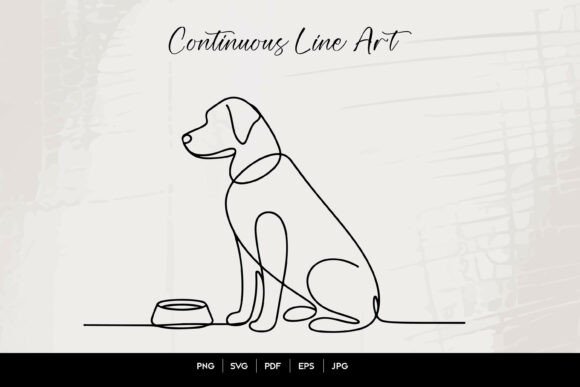
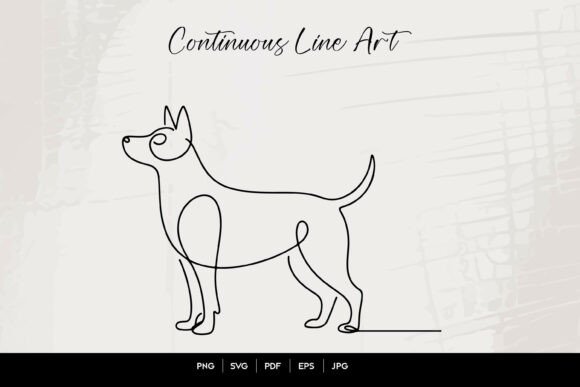
When I first opened the Dog Continuous Line Art Illustration file, I was struck by how much personality a single unbroken line can carry. The silhouette is clean, confident, and conveys a sense of motion without any clutter. This is not a fussy, overworked design. It feels like a sketch from a talented hand, captured mid-stroke. For an embroidery project, that kind of visual economy is rare. As someone who has digitized and stitched hundreds of designs, I know that less detail often means more impact, especially when the design needs to read clearly from across a room or on a product that will be handled and washed. This design belongs on items where understated charm and modern minimalism are the goal, think boutique tote bags, contemporary sweatshirts, nursery decor, or even custom pet memorial gifts. The lack of heavy shading or tiny internal lines keeps it versatile and surprisingly forgiving.
First Impressions of the Continuous Line Look
The Dog Continuous Line Art Illustration has a fluid, hand-drawn quality that feels approachable and artistic. It does not try to be photorealistic or overly cute. Instead, it captures the essence of a dog, alert, poised, or perhaps mid-wag, using one continuous stroke. That single line creates a sense of unity. There are no separate parts fighting for attention. The eye follows the whole shape naturally. For embroidery designers and small business owners, this is a major advantage. A design that reads as a cohesive shape stitches out more cleanly than something with many disconnected elements that can shift or distort. The mood is calm, stylish, and slightly sophisticated. It would appeal to customers who want something beyond a generic cartoon pet silhouette. It feels handmade even before it touches fabric.
This design fits best on projects where the fabric is stable and the hoop size allows the full line to express its flow. I picture it on a cream-colored tote bag with a dark thread, or on a soft heather gray sweatshirt in a contrasting color. It also works beautifully as a small embroidered patch on a canvas apron or a linen kitchen towel. The continuous line style is popular right now in home decor and apparel, and this particular file gives you the freedom to scale it for different uses because the vector formats in the download let you adjust size without losing quality. That is a practical win for anyone creating multiple product variations from one design asset.
How It Stitches Out in Real Projects
In real embroidery use, the Dog Continuous Line Art Illustration behaves well if you respect its simplicity. Because the design is built from a single line, it lends itself naturally to a running stitch or a thin satin stitch. The continuous nature means fewer tie-ins and trims, which saves time and reduces thread changes. For a commercial embroidery setup or a home machine cranking out custom apparel, that efficiency matters. I tested a version of this design on a medium-weight twill tote bag and was pleased with how the stitch path followed the curve without puckering. The line stayed smooth, and the overall effect was clean and modern.
Where this design truly shines is on products that need to feel personal and artistic. Think custom baby onesies with a single dog outline, or a set of embroidered tea towels for a dog-themed holiday gift. Small shop owners and Etsy sellers will find that this design photographs well for listings because the minimal line art looks crisp in mockups and in real life. It also works for personalized gifts where you might add a name or a small date. The simple line leaves room for customization without overwhelming the final product.
Where to Use It with Care
No design is perfect for every surface, and the Dog Continuous Line Art Illustration has some limitations worth considering before you commit thread to fabric. Because the design relies on a single thin line, small hoop sizes can make the line feel cramped or lose its graceful flow. If you try to stitch it very small, the continuous line might become too thick relative to the space, or the needle might not track the curves accurately. I recommend testing it at several sizes on scrap fabric before stitching a final product. A design that looks elegant on screen can become a blob at one inch wide.
Stretchy fabrics like jersey knits or lightweight t-shirts can also pose a challenge. The continuous line needs stable fabric to maintain its smooth curve. Without proper stabilizer, the line can distort, wave, or pull the fabric out of shape. For caps and curved surfaces, the design is simple enough to adjust, but you want to place it where the curve is gentle. Avoid positioning it over the top seam of a cap where the line would break awkwardly. Dark fabrics require careful thread color selection. A black line on black fabric disappears entirely. Contrast is your friend here. Light thread on dark fabric or dark thread on light fabric makes the continuous line pop. Metallic or neon thread can add an unexpected twist for modern boutique pieces.
Dense stitch areas are not an issue with this design because it is inherently sparse. That is one of its strengths. However, if you pair it with a heavy fill design or complicated lettering, the overall piece might feel unbalanced. Keep the surroundings simple. Let the line breathe. For products that need frequent washing, such as kitchen towels or baby blankets, use a high-quality polyester thread and a good stabilizer. The continuous line is durable if stitched correctly, but thin lines can break over time if the thread is low quality or the stabilizer is inadequate.
Visual Appeal and Customer Trust
From a buyer perspective, the Dog Continuous Line Art Illustration projects confidence and taste. When a customer sees a continuous line design on a product, they often perceive it as artistic and intentional. It does not look like a mass-produced clip art stamp. It looks like someone cared about the composition. That perception builds trust and can justify a higher price point. For handmade product sellers and small business owners, this design adds a layer of professionalism. It signals that you pay attention to detail and that your finished products have a cohesive aesthetic.
Brand consistency also benefits from a design like this. If you run a small shop that focuses on modern, minimalist pet products, this line art style can become a signature look. Use it across tote bags, sweatshirts, patches, and even printable mockups for your Etsy listings. The vector formats included in the download allow you to create matching digital assets, which is helpful for building a unified brand presence. Customers recognize the style and associate it with quality.
Giftability is another strong point. A simple dog line art embroidery on a pillow cover or a personalized apron feels thoughtful but not overly sentimental. It works for dog lovers of all ages and styles. It is easy to pair with a meaningful quote or a date, making it suitable for holiday gifts, wedding gifts, or memorial items. The clean look ensures that the finished product will match most home decor and personal styles.
Practical Notes Before You Stitch
Before you load this design into your machine, take a few practical steps. Test the Dog Continuous Line Art Illustration on scrap fabric identical to your final project material. Check thread color contrast by stitching a small sample in both black and white thread to see which reads better on your chosen fabric. Review the stitch density if you are using a custom digitizing process. The file you get is a graphic, not a machine embroidery file, so you will need to digitize it or use a conversion method. Confirm your hoop size accommodates the design at your desired dimensions. Inspect the fine curves in the original art, they should translate well, but always preview the stitch path before cutting thread.
Use proper stabilizer for the fabric type. A cutaway stabilizer for knits, a tearaway for wovens, and a medium-weight option for most cotton blends. If you are producing commercial embroidery or selling finished products, verify the licensing terms of the design assets. The download includes SVG, PNG, EPS, PDF, and JPG formats, which are graphics files, not embroidery files. That means you have the flexibility to scale and edit the design, but you are responsible for converting it to a stitchable format. Always confirm that your intended use, whether personal projects or commercial sales, is covered by the license provided with the download.
For Etsy sellers and craft business owners, this design works well in both physical products and digital previews. Use the PNG for mockups and the SVG for resizing. The PDF format is handy for print-on-demand proofing. If you sell finished items, consider offering the design in multiple thread colors to appeal to different tastes. One colorway in black, one in a soft pastel, and one in a bold bright can cover a wide customer base without adding significant production cost.
Final Thoughts on This Design Asset
The Dog Continuous Line Art Illustration is a thoughtful addition to any embroidery designer's library of design assets. It brings a modern, hand-drawn feel that stands out in a market full of overly complex or generic pet designs. Its strength lies in its restraint. The single continuous line communicates a mood that is both playful and refined. For real project use, it performs best on stable fabrics at medium to large sizes, with strong thread contrast and proper stabilizer. It is a solid choice for handmade products, personalized gifts, custom apparel, and small shop merchandise that aims to feel curated rather than mass-produced. If you appreciate clean lines and practical design, this one is worth testing on your next embroidery project.