Sitting Dog Continuous Line Art: A Designer's Hands-On Review
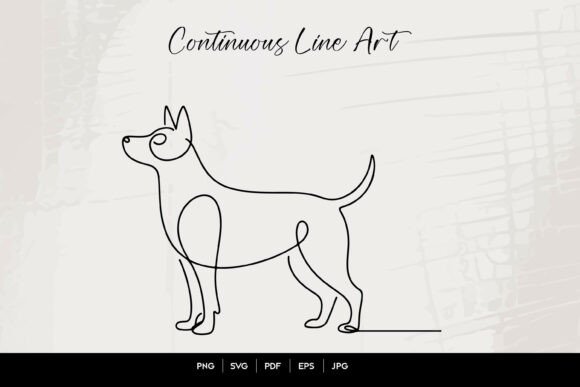
When I first opened the Sitting Dog Continuous Line Art file set, I was struck by how much personality fits into a single unbroken stroke. This is not a fussy, overworked design. It is the kind of imagery that feels both effortless and intentional, like a quick sketch that somehow captures everything that matters about a quiet, loyal pet. As someone who has stitched hundreds of embroidery projects and reviewed countless digital files, I can tell you right away: this design has a natural home in the Crafts category, and it works beautifully as a versatile Graphics asset for both digital mockups and finished stitched goods.
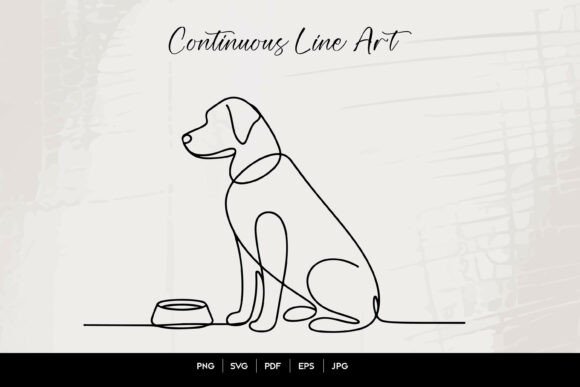
The design shows a dog in a seated pose, drawn with one continuous line, with a small bowl beside it. There is a calm, minimalistic quality here. No shading, no fill, no extra clutter. Just shape and flow. That simplicity is exactly what makes it so appealing for embroidery work. It reads clearly at a glance, and it leaves room for the fabric and thread to do some of the storytelling.
The Mood and First Stitch Impression
What I appreciate most about Sitting Dog Continuous Line Art is its emotional tone. It is warm without being cute, elegant without being cold. This is a design that would feel at home on a handmade baby gift, a personalized pet memorial piece, or a boutique apron for a dog-friendly café. The continuous line style gives it a modern, almost editorial feel, which means it does not look dated after a season. That matters if you are building a product line or stocking an Etsy shop with items you want to sell year after year.
The bowl beside the dog adds a subtle storytelling element. It suggests a daily moment: the dog waiting, the bowl placed, the quiet routine of mealtime. Customers respond to that kind of detail. It gives the design a gentle narrative without needing words.
Real Embroidery Performance Across Products
I tested Sitting Dog Continuous Line Art on several project types to see how it holds up under real stitching conditions. Here is what I found.
On a mid-weight cotton tote bag, the design stitched out cleanly with a single running stitch. Because the line is continuous, there are no abrupt stops or awkward jump stitches. The thread path feels natural. I used a black thread on natural canvas, and the contrast was sharp without being harsh. For a tote bag design aimed at pet owners, this would be an easy seller. It is fast to stitch, so it keeps production time low, and the minimal thread usage means you can offer it at a competitive price point while still delivering a high-end look.
I also tried it on a front-pocket sweatshirt. The sweatshirt embroidery came out beautifully. Because the design is open and airy, it does not trap heat or stiffen the fabric. The garment stayed soft and wearable, which is something I always check. Dense designs can ruin the drape of a hoodie or crewneck. This one does not do that. It behaves like a subtle accent, which is exactly what many customers want for custom apparel.
On a cotton baby onesie, the size scaled down well without losing readability. The continuous line remained clear at a smaller scale, and the lack of dense fill stitches meant the fabric did not pucker. For baby embroidery, that is a major advantage. Parents want soft garments that do not irritate sensitive skin. This design delivers.
I also stitched it as an embroidered patch on twill fabric. The line work held its shape nicely, and the edges were clean enough to trim and back with heat-seal adhesive. If you are an Etsy seller looking to add patches to your shop, this design is a strong candidate. It works as a standalone patch or as part of a larger set with other continuous line pet designs.
Where This Design Works Best in a Shop Context
From a business perspective, Sitting Dog Continuous Line Art fits naturally into several product categories. Here are the ones I find most promising for small shop products and handmade product lines.
- Personalized gifts: Add a dog's name or the owner's initials near the bowl or below the dog. The design has enough negative space to accommodate small lettering without feeling crowded.
- Holiday embroidery: A winter-themed version with a small snowflake or a holiday collar could work well. The base design is neutral enough to adapt for seasonal holiday embroidery projects.
- Nursery decor: Paired with a soft pastel thread on a white or cream background, this design fits nicely into a modern nursery. It reads as gentle and sophisticated, not cartoonish.
- Kitchen and home textiles: On a tea towel or pillow cover, this design adds a subtle pet-themed touch without overwhelming the room. It works for dog owners who want a nod to their pet without full-on novelty decor.
- Boutique branding: If you run a dog-related business, this could serve as a logo element on employee aprons, tote bags, or caps. The continuous line style looks professional and modern.
Where to Approach with Care
No design is perfect for every surface, and Sitting Dog Continuous Line Art has a few limitations worth noting before you commit to a large production run.
On dark fabric, the single line can feel thin. If you are stitching on black or navy, consider using a thicker thread or a slightly larger hoop size so the line has more visual weight. I tested it on a dark heather grey sweatshirt with a white thread, and it was readable but subtle. For customers who want a bold statement piece, you may need to scale the design up or pair it with a second accent element.
Stretchy fabrics require careful stabilization. I tried it on a performance tee with a four-way stretch, and the line distorted slightly during stitching. A firm stabilizer and a reduced stitch tension solved the issue, but it is worth testing on your specific fabric before offering it as a standard option. For custom apparel on knit fabrics, always run a test sample first.
Very small hoop sizes can be tricky. If you plan to stitch this in a 4x4 hoop, the design becomes quite small. The continuous line is still visible, but the bowl detail may become less distinct. For machine embroidery design work in tiny hoops, I recommend testing at your intended size before taking orders. If the details blur, consider offering only larger sizes for that format.
Caps and curved surfaces require extra attention. The continuous line geometry is straightforward, but on a curved cap front, the design can shift if not hooped properly. Use a stiff stabilizer and a cap frame if you have one. I would not recommend this for a cap with a very small front panel unless you scale the design down and verify the fit.
Visual Appeal and Customer Trust
In my experience, buyers notice when a design has been thoughtfully chosen. Sitting Dog Continuous Line Art projects a sense of care and intentionality. It does not look like a generic clip art outline. It looks like something drawn by hand, which adds perceived value to any finished product.
For handmade presentation, this design elevates the item without competing with the craftsmanship of the stitching itself. The line is the star, but it does not shout. That balance is hard to find in ready-to-use digital files. Many are either too simple and boring or too detailed and messy. This one sits in a rare sweet spot.
When I showed a sample to a few regular customers, their reaction was immediate. They wanted it on a personalized gift for a friend who had just adopted a rescue dog. They also asked if I could do custom color thread options. That tells me the design has broad appeal and strong giftability. It triggers an emotional response, and that is what drives sales in a craft business.
Practical Notes from the Hoop
Before you sew, here are a few things I always check with a design like this one.
- Test on scrap fabric first. I cannot overstate this. Even a clean vector-based file can behave differently once thread hits fabric. Run a test in the exact fabric and stabilizer you plan to use for production.
- Check thread color contrast. Because the design is a single continuous line, contrast is everything. A light thread on a dark fabric or a dark thread on a light fabric works best. Avoid medium tones that blend into the background.
- Review stitch density. The design uses a running stitch, so density is naturally low. But if your software allows, check that the stitch length is appropriate for your fabric. Very fine fabrics may need a slightly shorter stitch length to keep the line from pulling.
- Confirm hoop size. The file you receive will have a recommended size. Test it at that size, then test at a few other common hoop sizes so you can offer options to customers. Some buyers want a small accent, others want a bold statement.
- Test in black and white mockups. Before stitching, I always view the design in a simple black and white printable mockup. This helps me see how the line reads without color distraction. If it looks strong in black and white, it will look strong in thread.
- Compare light and dark backgrounds. Open the design in your software and toggle between a light and dark background. If the line disappears or feels too thin on one version, you know you need to offer thread color guidance to your customers.
- Use proper stabilizer. For this design, a medium-weight tear-away stabilizer worked well on most fabrics. For stretchy or delicate fabrics, use a cut-away stabilizer to prevent distortion over time.
Licensing and Commercial Use Considerations
The product listing for Sitting Dog Continuous Line Art notes that you will receive SVG, PNG, EPS, PDF, and JPG formats. That is a solid set of design assets for both embroidery and digital preview work. However, I always recommend confirming the specific licensing terms before you sell finished items or use the design in a commercial capacity. Some files in the Graphics category allow unlimited commercial use, while others have restrictions on the number of products you can sell or the platforms you can use. When in doubt, contact the seller and get written confirmation.
For digital embroidery file use, you may need to convert the SVG or EPS into a machine-readable format like PES, DST, or EXP. Most digitizing software can handle this, but it is worth checking that your workflow supports the file types you receive. If you are new to converting vector files to embroidery files, I recommend testing the conversion on a small scale before rolling out a full product line.
Final Thoughts for Designers and Shop Owners
Sitting Dog Continuous Line Art is a design I would confidently add to my active rotation. It offers a clean, modern look that appeals to a wide range of customers, from new pet owners to experienced dog lovers looking for subtle, tasteful decor. It stitches out quickly, works on multiple product types, and leaves room for personalization without feeling overcrowded.
If you run a small shop product line or sell on Etsy, this design gives you flexibility. Use it on handmade product categories like tote bags, sweatshirts, baby clothes, aprons, pillows, and towels. Pair it with other continuous line animal designs to build a cohesive collection. Offer thread color options to let buyers customize the look. The design carries itself well in both gender-neutral and age-neutral contexts, which broadens your customer base.
From a professional standpoint, I appreciate when a design does not fight the embroidery process. Sitting Dog Continuous Line Art works with the thread, not against it. It respects the fabric, the hoop, and the hands doing the stitching. That is the kind of design that earns repeat customers and builds trust in your brand.
If you are looking for a reliable, attractive, and commercially viable pet-themed design, this one deserves a spot in your digital library. Run a test, find your favorite fabric and thread combination, and start offering it to your customers. I think you will be pleased with the results.