Silhouette of a Duck-hunting Dog Alert: A Designer's Review
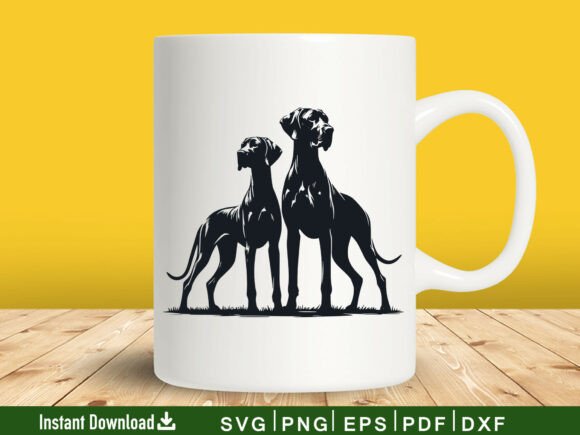
When I first opened the Silhouette of a Duck-hunting Dog Alert embroidery file, I was struck by how much presence a single-color design can carry. This is not a fussy, overdetailed illustration trying to be a photograph. It is a clean vector shape that understands what embroidery needs: bold outlines, clear negative space, and a posture that tells the story without a single stitch wasted. The dog’s alert stance, pointed nose, and ready-to-retrieve tension come through immediately. For anyone running a craft business or building an Etsy shop around outdoor-themed personalized gifts, this design has serious potential. But as with any machine embroidery design, the real test is how it behaves under the needle and how it lands with a customer who knows the field.
First Impressions: Why This Silhouette Works for Stitching
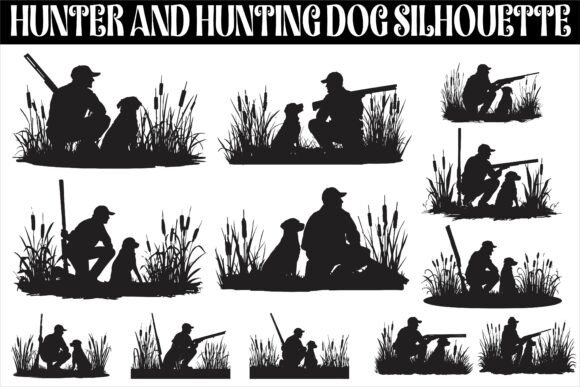
What I appreciate right away is the restraint. The Silhouette of a Duck-hunting Dog Alert does not try to do too much. The dog’s shape is defined by the kind of clean curves that translate beautifully into satin stitch outlines or fill stitch interiors. The pointed nose and the slightly lifted front paw create a sense of motion frozen in time. This is a dog that has just locked onto something in the marsh, and that emotional hook matters when you are selling custom apparel or embroidered patches to hunters, dog trainers, or outdoorsmen who want their gear to reflect real moments. The silhouette approach also means you can work with one or two thread colors and still deliver a design that reads clearly from across a room.
From a hoop size perspective, the design is friendly. Because it is a silhouette, the stitch count stays reasonable. There is no dense micro-detail that forces you into a large hoop or a complex embroidery file. I could see this fitting comfortably in a 4x4 or 5x7 hoop depending on how large you want the finished image. That flexibility is gold for a small shop product line where you want to offer the same design across multiple items without re-digitizing.
Real Case: Taking the Design from File to Finished Product
Let me walk you through a real scenario. A customer comes to my shop wanting a custom embroidered tote bag for her father, an avid duck hunter. She wants something that feels personal but not cartoonish. I pull up the Silhouette of a Duck-hunting Dog Alert, and immediately I know this is the right direction. I test it on a scrap piece of medium-weight cotton fabric texture first running the design in black thread on a light khaki background. The silhouette pops cleanly. The dog’s ear shape and tail angle are distinct even at a smaller scale. I switch to dark brown thread on an olive green tote, and it reads just as strong. That versatility matters when you are custom apparel decorating for clients who want options.
I decide to stitch it on the front panel of the tote with a simple satin stitch border around the entire shape. The stitch density is moderate enough that the fabric does not pucker, and the stabilizer I use is a tear-away medium weight. The finished product looks like something you would buy at a high-end outdoor outfitter. The client loved it, and she immediately ordered three more for gifts. That is the kind of repeat business that builds a craft business.
Where This Design Shines in Your Product Line
The Silhouette of a Duck-hunting Dog Alert belongs in a wide range of embroidery projects. Here is where I have found it works best:
- Sweatshirt embroidery on the left chest or center back for a bold statement piece
- Tote bag design for a rugged, outdoorsy look that holds up to daily use
- Embroidered patch for hats, jackets, or vests especially if you back it with a heat-seal adhesive
- Baby embroidery on a onesie or receiving blanket in a subtle tone like soft sage or heather gray for a rustic nursery theme
- Holiday embroidery gifts for hunters, such as a custom apron or a set of tea towels with matching designs
- Pillow cover for a cabin or lodge decor line
- Cap embroidery on structured or unstructured hats, provided you test the curve placement first
Because the design is a silhouette, it also works beautifully in applique design projects. You can cut the shape from a solid fabric and use a satin stitch edge to bind it. This reduces stitch time and gives the finished item a dimensional, handcrafted feel that customers associate with quality handmade product lines.
Areas Where You Need to Exercise Caution
No machine embroidery design is perfect for every situation, and the Silhouette of a Duck-hunting Dog Alert has a few considerations I want to flag honestly.
Small hoop sizes can be tricky if you try to shrink the design too much. The detail in the dog's nose and the tail tip may lose definition below about two inches in height. Always test at the size you intend to sell before committing to production. On textured fabrics like fleece or thick sweatshirt material, the silhouette edges can blur if the stitch density is not adjusted upward slightly. I recommend a medium-weight cut-away stabilizer for stretchy or textured grounds.
On dark fabric, the design performs best with a lighter thread color or a single bright accent. If you stitch it in black on black, you lose the entire silhouette effect. For layered garments like lined jackets or hoodies, be mindful of the garment thickness under the hoop. The design itself is not dense, but the hoop tension needs to be even. On curved surfaces like caps, the pointed nose area can drift if the hoop size is not well centered. Always do a curved test run before taking orders for hats.
For baby embroidery or children's items, the design is safe because it has no small loose elements that could snag. However, if you are using it on items that will see frequent washing like kitchen towels or bibs, make sure your thread colors are high-quality polyester or rayon to avoid fading. The silhouette style holds up well because there are no fine details to distort over time.
How This Design Affects Visual Appeal and Customer Trust
When a customer sees a finished product featuring the Silhouette of a Duck-hunting Dog Alert, they register competence. The clean lines signal that you understand proportion and placement. There is no fluff or unnecessary decoration. That restraint builds professionalism and brand consistency especially if you are using the same design across multiple product categories in your Etsy seller shop or craft fair booth. Buyers who are looking for personalized gifts for an outdoorsman or a dog trainer will trust a product that looks like it was designed by someone who knows the subject. The silhouette communicates respect for the animal and the activity, not just a generic clip art outline.
In terms of giftability, this design hits a sweet spot. It is specific enough to feel personal but broad enough to work for birthdays, Father's Day, Christmas, or retirement gifts. I have used it on sweatshirt embroidery for a client who gave one to each member of his hunting party. That kind of repeat order is a sign that the design has staying power in your product lineup.
From a digital product seller perspective, if you are offering embroidery files or design assets to other makers, this silhouette is a strong addition. It is easy to preview in printable mockups, and it works on both light and dark backgrounds. That versatility makes it easier for your customers to envision it in their own embroidery projects.
Practical Notes for Embroidery Designers and Shop Owners
Before you run this design in production, here are the steps I always take with any new machine embroidery design:
- Test the design on scrap fabric that matches the final garment weight. Do not skip this step even if you have used similar designs before.
- Check thread color contrast against both light and dark fabric texture samples. A silhouette lives or dies on contrast.
- Review the stitch density in your software if possible. If it feels too light, consider a double-layer fill or a slightly thicker satin edge.
- Confirm your hoop size matches the intended placement. For left chest on a men's sweatshirt, you want the design to sit about four inches down from the shoulder seam.
- Inspect small details like the tip of the nose and the tail. If they are under 2mm, consider scaling up slightly to preserve clarity.
- Test the design in black and white printable mockup form to see how it reads at a distance. This helps you catch proportion issues before stitching.
- Use a proper stabilizer cut-away for knits, tear-away for wovens, and fusible for small items like patches or caps.
- Verify whether the design works for both personal and commercial projects. Many digital embroidery file licenses allow commercial use of finished products, but you should confirm the terms before selling items or offering the file as part of a design assets bundle.
- Test one finished product all the way through washing to ensure the shape holds. Silhouettes tend to perform well here, but it is always better to know for sure.
Final Thoughts on Adding This Silhouette to Your Workflow
The Silhouette of a Duck-hunting Dog Alert is one of those rare graphics that works as both a standalone statement and a building block for larger compositions. It belongs in the toolbox of anyone who regularly produces outdoor-themed custom apparel, handmade product lines, or personalized gifts for a hunting and outdoors clientele. The design respects the Crafts tradition of clean, readable imagery while meeting the practical demands of modern commercial embroidery. If you test it thoroughly and place it thoughtfully, it will earn its place in your product catalog and keep customers coming back for more.