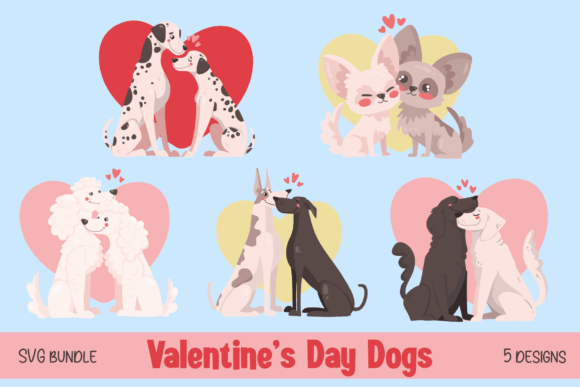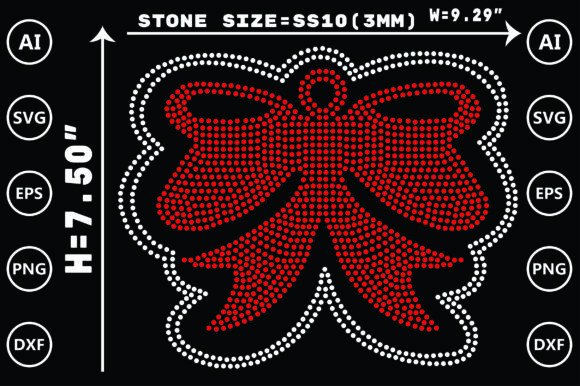
Hands-On Review: Printable Dog Rhinestone De
I run a small-batch custom apparel studio, and my Etsy shop lives and dies by the quality of my finished products. Last month, a client wanted a dog portrait on a structured tote bag and a matching toddler hoodie. I pulled up “This is Our Printable dog Rhinestone De” and decided to see if this graphic could handle real production pressure. Here is my practical take as a designer who actually stitches, sets stones, and ships orders.
First Look: Clean Vector Layout with Real Potential
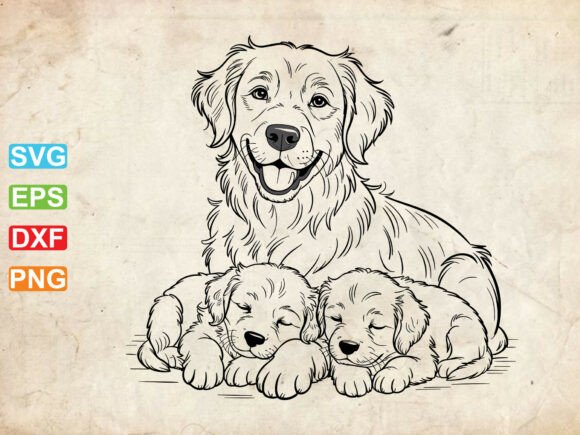
The ZIP folder contains standard vector formats: Ai 300dpi, EPS 300dpi, and SVG. For anyone working in machine embroidery or rhinestone application, vector source files are the gold standard. The layout immediately struck me as balanced and readable. The dog silhouette uses distinct, clearly defined sections, which is critical when you are converting a design asset into an embroidered product or a rhinestone template. It avoids overly tiny, fussy shapes that get lost the moment you add stabilizer and thread. In the world of Crafts and Graphics, a clean vector source saves hours of cleanup work.
Mood, Theme, and Project Fit
This design has a classic, approachable feel. It is not overly cartoonish, nor is it hyper-realistic. Instead, it settles into a sweet spot that works for personalized gifts, pet memorials, and even boutique handmade products. The visual personality is warm and friendly, which makes it a natural fit for custom apparel meant to be worn and shared. I immediately thought of holiday embroidery pieces where a family dog is featured on a gift item. It also holds up well for small shop merchandise where brand consistency and professional presentation matter.
Real Project Results: Tote Bag, Hoodie, and Patch
Tote Bag: I hooped a 5x7 frame on 10 oz cotton canvas. Using the SVG file, I generated a satin stitch outline and used the interior shapes as placement guides for ss20 clear crystal rhinestones. The result was a tactile, textured portrait that felt substantial. The stitch density was manageable, and the outlines stayed crisp. My client was thrilled with the weight and quality of the finished product.
Toddler Hoodie: Scaling the design down to fit a 3T sweatshirt tested the layout. Small details can turn into a muddy mess on stretchy fabric, but the clean vector shapes translated well. I used a running stitch base to mark placement, then switched to a fill stitch for the main body and a satin stitch for the border. The design held shape even after multiple washes. This is where I saw the value of a well-structured embroidery project asset.
Embroidered Patch: I also tested the design as a standalone embroidered patch. I used a medium-weight cut-away stabilizer and stitched a dense fill stitch. I then trimmed the edge by hand and added a merrow border. The patch looked clean enough to sell as a boutique item on its own. For any Etsy seller or creative entrepreneur looking to expand their product line without reinventing the wheel, this kind of versatility is valuable.
Best Use Cases for Business Owners
After testing, I found this design performs well across several product categories:
- Custom Apparel: Denim jackets, baseball caps, sweatshirts, and t-shirts. The bold layout reads well on both flat panels and curved garment surfaces like caps.
- Personalized Gifts: Pet portraits for tote bags, pillow covers, and baby blankets. The clarity of the design supports a professional, giftable finish.
- Small Shop Merchandise: Use it to create a consistent line of dog-themed products. It has that handmade-with-care look that builds customer trust and repeat sales.
- Digital Product Sellers: If you sell machine embroidery design files, this vector source allows you to create clean, reliable embroidery file packs for your customers. Just confirm your commercial license allows distribution of digitized files.
Critical Designer Notes Before You Stitch
Here are the real constraints I discovered during production. Pay attention to these if you want to avoid wasted time and materials.
- Hoop Size and Scaling: Test the design at your target size before cutting fabric. Very small hoops may cause the inner detail paths to become too tight for standard satin stitch or rhinestone settings. Scale carefully.
- Stitch Density and Fabric Texture: The vector paths are clean, but if you convert them to a fill stitch, check that the stitch density isn't so high that it causes puckering on lightweight or stretchy fabric. Always run a test sew-out on scrap fabric first.
- Thread Colors and Dark Fabric: On dark fabric, this design benefits from a soft underlay or a contrasting thread color. I used a light grey satin stitch on a charcoal hoodie, and it popped beautifully. If you use rhinestones, a foil or white base layer will prevent dark fabric from showing through the stones.
- Stabilizer Matters: Do not skip this step. Use a cut-away stabilizer for garments that will be washed frequently, like baby embroidery pieces or sports apparel. Tear-away works for decorative items like pillow covers or wall art.
- Licensing Check: This product is listed under Crafts and Graphics. Verify the specific license terms for commercial embroidery and selling finished products. Royalties or restrictions may apply if you are manufacturing in high volume or selling the digital files directly.
Final Practical Verdict
This is Our Printable dog Rhinestone De is a solid, usable design asset that holds up well under real workshop conditions. It saves digitizing time, provides a reliable structure for both applique design and rhinestone work, and produces a handmade product that looks curated rather than improvised. For apparel decorators, Etsy sellers, and creative entrepreneurs who value efficient workflows and professional output, this graphic is worth adding to your library. Just respect the technical limits, always test your setup, and you will turn out finished products that bring repeat customers back.