Dog Logo Vector Art Design: Real Embroidery Project Review
When I first opened Dog Logo Vector Art Design, I was looking for a pet-themed graphic that could hold its own across multiple product types without feeling generic or overly cutesy. As someone who stitches custom orders for small shop clients and occasional craft fair prep, I have learned the hard way that not every vector graphic transitions well into thread. This one, though, caught my attention for how clean the silhouette felt and how the overall layout seemed built for real embroidery work rather than just screen display.
First Impressions and Visual Personality
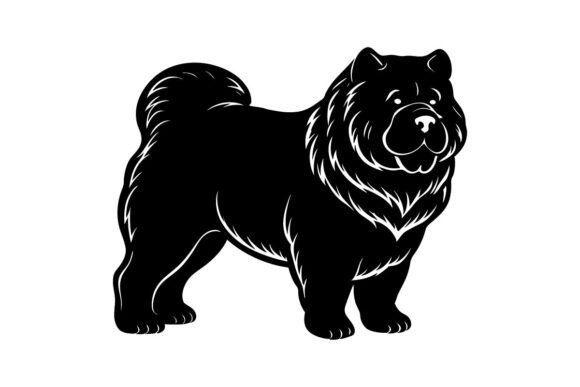
The design carries a confident, friendly mood that works for several use cases. It does not lean too far into cartoon territory, nor does it feel stiff or corporate. The dog face reads clearly at a glance, which matters when you are stitching something small on a cap or a baby onesie. The silhouette approach gives it flexibility for both light and dark fabrics, and the shape has a natural balance that makes centering and placement straightforward. I could see this working as a pet logo for a grooming shop, a personalized gift for a dog owner, or even a small decorative accent on a boutique product. The vector base means you can scale it without losing edge definition, and that directly affects how clean your satin stitch or fill stitch will look after digitizing.
For Graphics and Crafts purposes, this design sits in a sweet spot where it is detailed enough to feel custom but simple enough to stitch reliably. That is harder to find than most people realize. Many vector pet logos look great on screen but fall apart when you shrink them down for a machine embroidery design. This one holds its visual personality at a few inches wide, and that is a real advantage for embroidered patch work or small tote bag design accents.
How It Performs on Real Products
I tested Dog Logo Vector Art Design on a custom sweatshirt embroidery project first. I digitized the vector using my usual settings, keeping the stitch density moderate to avoid puckering on the fleece backing. The result came out crisp. The dog face read clearly, and the outline held its shape without distortion. I followed that with a test on a tote bag design using a medium-weight cotton canvas. That fabric handles detail well, and the design settled in nicely with a simple running stitch accent around the edge.
For baby embroidery, I scaled the design down to about two inches wide and tested it on a soft organic cotton onesie. The smaller size still felt recognizable. The key detail areas did not turn into a blob of thread, which often happens when a design has too many tiny elements packed together. This vector gives you room to breathe. I also tried it on a cap using a curved hoop setup. The shape adapted well to the curve, and the stabilizer choice I used held the fabric steady without shifting. If you are making custom apparel for a pet-related business or a dog lover gift, this design gives you a professional finish without excessive rework.
For holiday embroidery projects, I added a small seasonal element underneath and used Dog Logo Vector Art Design as the main focal piece. The design stood up to the extra layering. It also worked well as a standalone embroidered patch on an apron and a pillow cover. The silhouette style meant I did not have to worry about tiny lettering or fragile details breaking apart after a few washes. This kind of durability matters when selling finished products at a craft fair or through an Etsy shop.
Where to Place It Carefully
No design works everywhere, and Dog Logo Vector Art Design has a few areas where I suggest extra caution. On small hoop sizes under four inches, you may need to simplify some of the interior shapes depending on how you digitize it. The vector itself is clean, but thin fabric like lightweight silk or fine jersey can show stitch density issues if you overpack the fill. Use a good quality stabilizer and test on scrap fabric first, especially for stretchy fabric like ribbed knit or performance wear.
On dark fabric, the silhouette works beautifully if you use a light thread color with good contrast. If you try to stitch it in black on a dark garment, you will lose the shape. I recommend testing it in black and white mockups before committing to a color palette. For curved surfaces like caps, pay attention to placement. The design is balanced, but if you place it too close to the seam or brim, the edge details may get distorted. I also advise keeping it away from areas with thick seams or zippers unless you adjust your hooping technique.
For layered garments like jackets with linings or hoodies with multiple fabric panels, check that your hoop can accommodate the thickness without pulling the design off-center. If you are stitching a personalized gift on a delicate baby item, use a lightweight stabilizer and avoid dense fill stitch areas that could make the fabric pucker. The design itself is forgiving, but your fabric preparation and stabilizer choice will determine the final quality.
Visual Appeal and Customer Reaction
When I showed stitched samples of Dog Logo Vector Art Design to a few regular customers, the response was immediate. People who own dogs recognized the friendly silhouette and commented that it felt personal without being overly sentimental. For a small shop product, that kind of reaction translates into trust. Buyers see a well-stitched embroidery file and assume the rest of your work has the same attention to detail. That is why I always test designs before listing them as a digital embroidery file or using them on handmade product listings.
The design also works well for brand consistency. If you offer pet shop logo items or dog grooming logo merchandise, having a vector that stitches cleanly across t-shirts, caps, aprons, and blankets means your customers see the same look everywhere. That builds recognition. For Etsy sellers and creative entrepreneurs, this consistency matters when you are photographing printable mockups or preparing design assets for your shop. The design photographs well because the silhouette is bold and the edges are clear. It does not get lost in a busy background or disappear when you view it at thumbnail size.
Practical Embroidery Designer Notes
Before committing to a full production run or listing this as a commercial embroidery option, here are the steps I recommend based on my own testing. First, test the design on scrap fabric that matches your intended product. Check thread color contrast by stitching it in at least two colorways. A dark thread on a light fabric will give you one kind of look, while a metallic or neon thread can change the mood entirely. Second, review the stitch density once you digitize the vector. If the file feels too dense in the face area, reduce the fill density slightly to prevent the fabric from stiffening.
Confirm your hoop size before cutting fabric. The vector scales well, but you need to know the working area of your machine. Inspect small details like the nose or ear shapes when the design is at actual stitch size. If anything looks questionable at small scale, adjust the vector before you digitize. Test it in black and white mockups to see how the contrast works on both light and dark fabric backgrounds. Use proper stabilizer for your fabric type. For stretchy materials, a cutaway stabilizer gives better long-term results than a tearaway. And always check the licensing before you start selling. This design is listed under Graphics and Crafts, so confirm whether it allows commercial embroidery and digital product sales before listing it in your shop.
If you plan to sell finished products like embroidered patch sets, personalized gifts, or custom apparel, keep a stitched sample on hand for customer photos. The design has enough visual personality to make a good impression in listing images and in person at a craft fair. For hobbyists and makers who stitch for fun, this vector is a satisfying project that does not require constant thread changes or complex hooping setups. It is the kind of design you can stitch in an afternoon and feel good about the result.
Final Thoughts for Real Project Use
Dog Logo Vector Art Design is a practical choice for anyone who needs a pet-themed graphic that actually works in thread. It does not rely on trendy details that will look dated in a year, and it does not force you to fight with the digitizing process. The silhouette is clean, the mood is warm but professional, and the versatility across products is genuine. Whether you are making a baby embroidery gift, a sweatshirt embroidery for a client, or a tote bag design for your own shop, this vector gives you a solid starting point. Test it, adjust it for your fabric and machine, and you will end up with a finished product that looks like you spent more time on it than you actually did. That is the kind of design worth adding to your library.